
Returns and Replacement Policy
At loqa, our work is rooted in Circular Design, transforming upcycled waste (80-95%) into high-quality architectural materials. Due to the nature of our process, combining recycled content, specialized tools, and many hands-on production steps, each piece carries its own unique character, setting it apart from mass-produced industrial tiles.
Before placing an order, we kindly ask you to review and accept the following natural characteristics of our materials.
Characteristics That Are Not Considered Defects
(Not eligible for return or refund)
As our products are made from waste-based materials and produced through specialized processes, the following characteristics are considered part of the material’s natural beauty and production process, and are therefore not regarded as defects:
Colour & Texture Variation
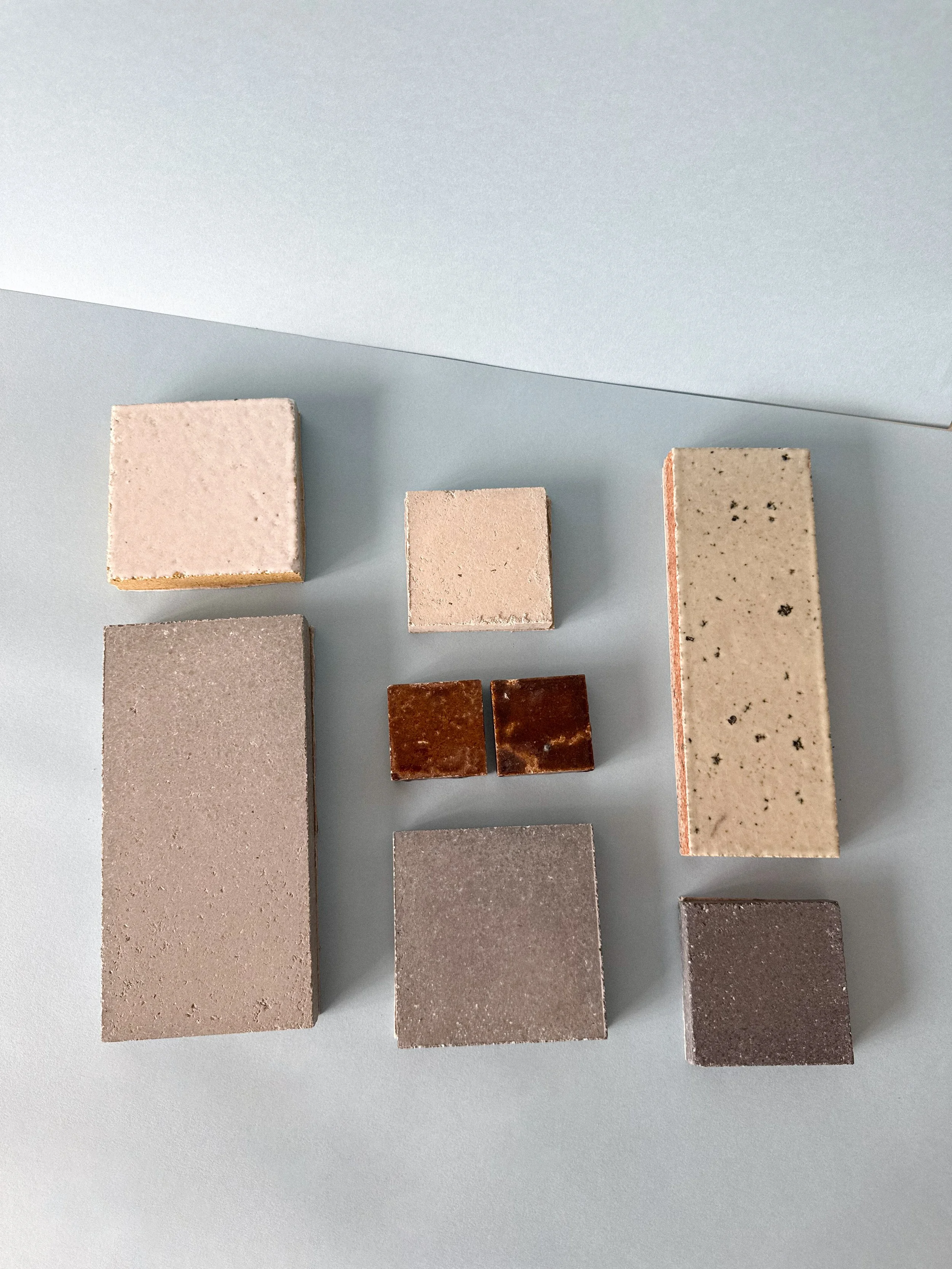
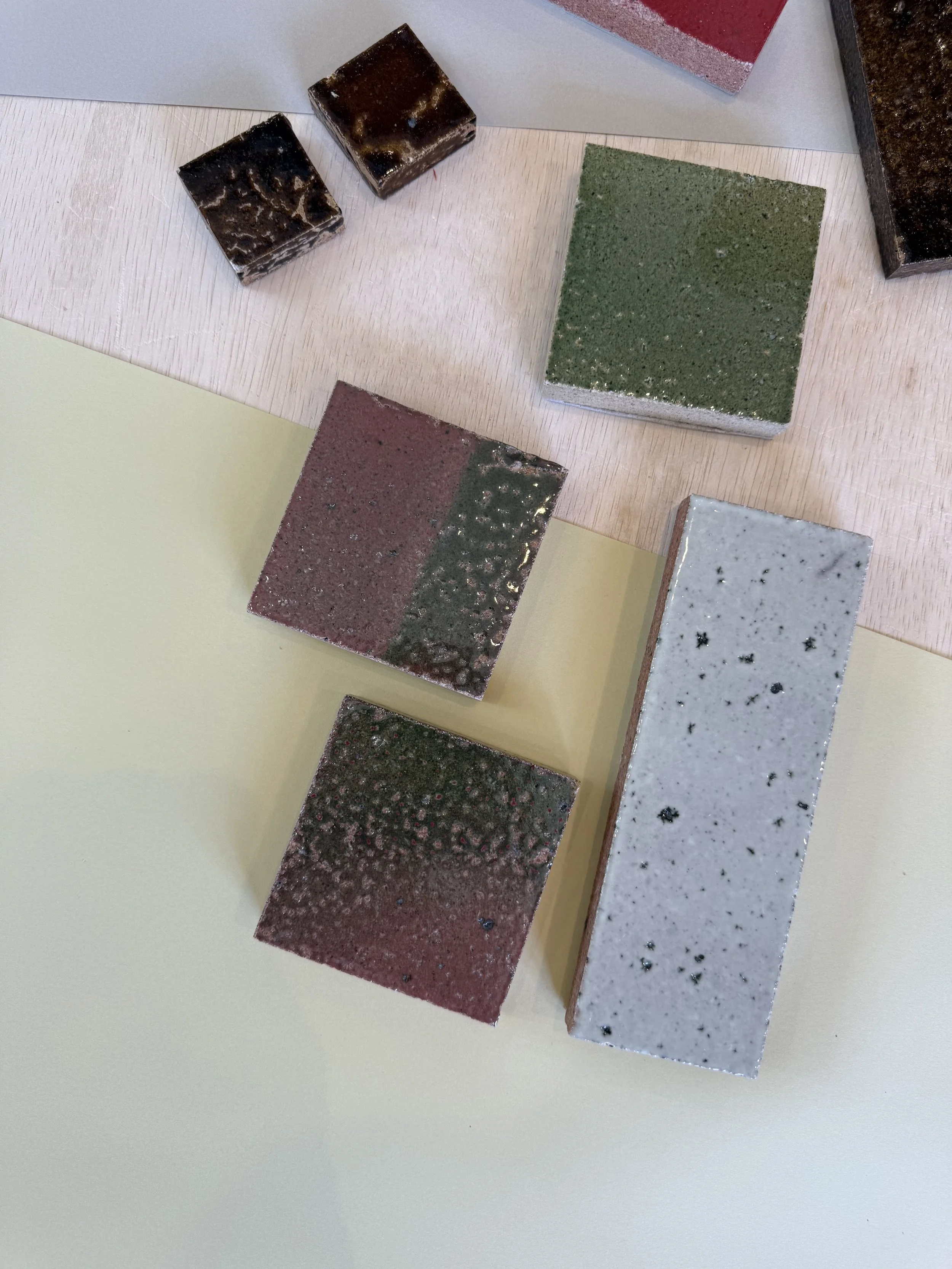
Due to the high percentage of recycled waste content (80–95%), colour and surface texture may vary between production batches. Some batches may appear lighter or darker, with more or fewer speckles and natural markings. These variations are inherent to recycled materials and difficult to control uniformly.
The Firing Signature
For fired and glazed collections, flame movement and positioning inside the kiln interact naturally with the materials, creating tonal shifts, flame markings, and colour variation across pieces. Some batches may appear lighter, darker, or more mixed in tone depending on the firing process. These variations are part of the material’s natural character and uniqueness.
Hand-Touched Production Process
Unlike conventional industrial tiles, many stages of our production involve hand-touching, handling, and manual control. As a result, products may have a more organic and “rough” appearance — edges may not be perfectly sharp, and surfaces may not be completely uniform. These are intentional characteristics reflecting human craftsmanship, similar to handmade bricks and tiles.
Conditions Eligible for Replacement
We are happy to replace materials or provide appropriate solutions in the following cases:
Material breakage: Pieces are clearly cracked or separated.
Chipping on edges or corners: Chips or breakage larger than 1 cm.
Incorrect items received: Materials received do not match the confirmed model, size, or colour series stated in the Proforma Invoice.
-
Customers are required to inspect and report issues within the following timeframes after delivery:
Orders under 50 sqm → within 7 days
Orders between 50–100 sqm → within 14 days
Orders over 100 sqm → within 30 days
-
Please provide clear photographs of:
Damaged materials
Packaging / pallets
Shipping labels or delivery documents
These will be used for assessment.
-
Our team will review the submitted photos to determine whether the issue is a structural defect or simply a natural material variation.
Claim Period & Procedure
Resolution Guidelines
Material Replacement / Remanufacturing
If the damage falls within the approved conditions, we may produce replacement materials or provide substitute stock depending on the project timeline and availability. If remanufacturing is required, additional production lead time may apply, and an estimated timeline will be shared before proceeding.
Partial Refund
If the damaged quantity does not significantly affect the overall installation, or if the project timeline does not allow waiting for replacement production, we may consider issuing a partial refund based on the value of the damaged materials.
Credit or Replacement for Future Orders
For ongoing clients or projects, in cases where the affected quantity is minor and does not impact the main installation, customers may choose to receive replacement materials or a credit for future orders.
Additional Terms
Change of Mind
We do not accept returns or refunds due to change of mind once the quotation or Proforma Invoice has been confirmed, as confirmed orders immediately enter our production scheduling system.
Recommendation for Customers
We recommend ordering an additional 5–10% wastage buffer beyond the required quantity to accommodate cutting during installation and potential transport damage. This is standard practice within the tile industry and helps ensure smoother installation without requiring additional shipments later on.