
rooted in community
Being rooted in community means more than giving back — it means growing together. Through volunteering, micro-garden projects, education, and collaborative work, we support the people and environments that support us. We see this as a long-term relationship, built on care, shared knowledge, and mutual respect.
Our Micro Garden Project brings small, living landscapes into shared public spaces such as schools, community areas, and overlooked corners of the city that are waiting to be reawakened. Using modular circular materials and butterfly-and insect-attracting plants, we create gardens that are easy to care for and open to everyone.
Beyond their social value, these gardens play an important role in restoring urban biodiversity. By planting native and pollinator-friendly species, we create small pockets of food and shelter for butterflies, bees, and beneficial insects — helping them survive in cities where natural habitats have been lost. Over time, these living spaces become stepping stones that allow pollinators to move, feed, and reproduce, slowly knitting fragmented urban ecosystems back together.
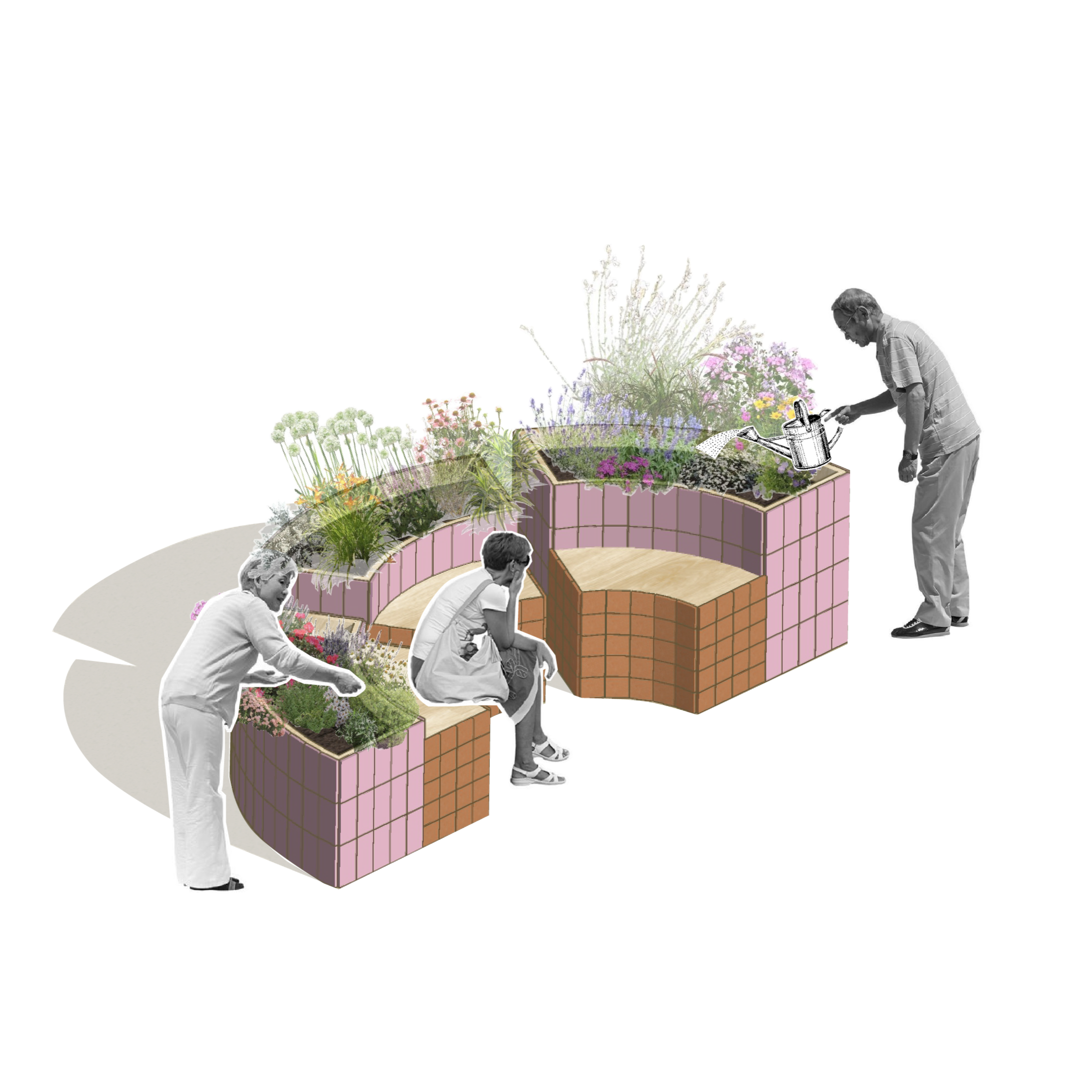
micro garden project
volunteering
-
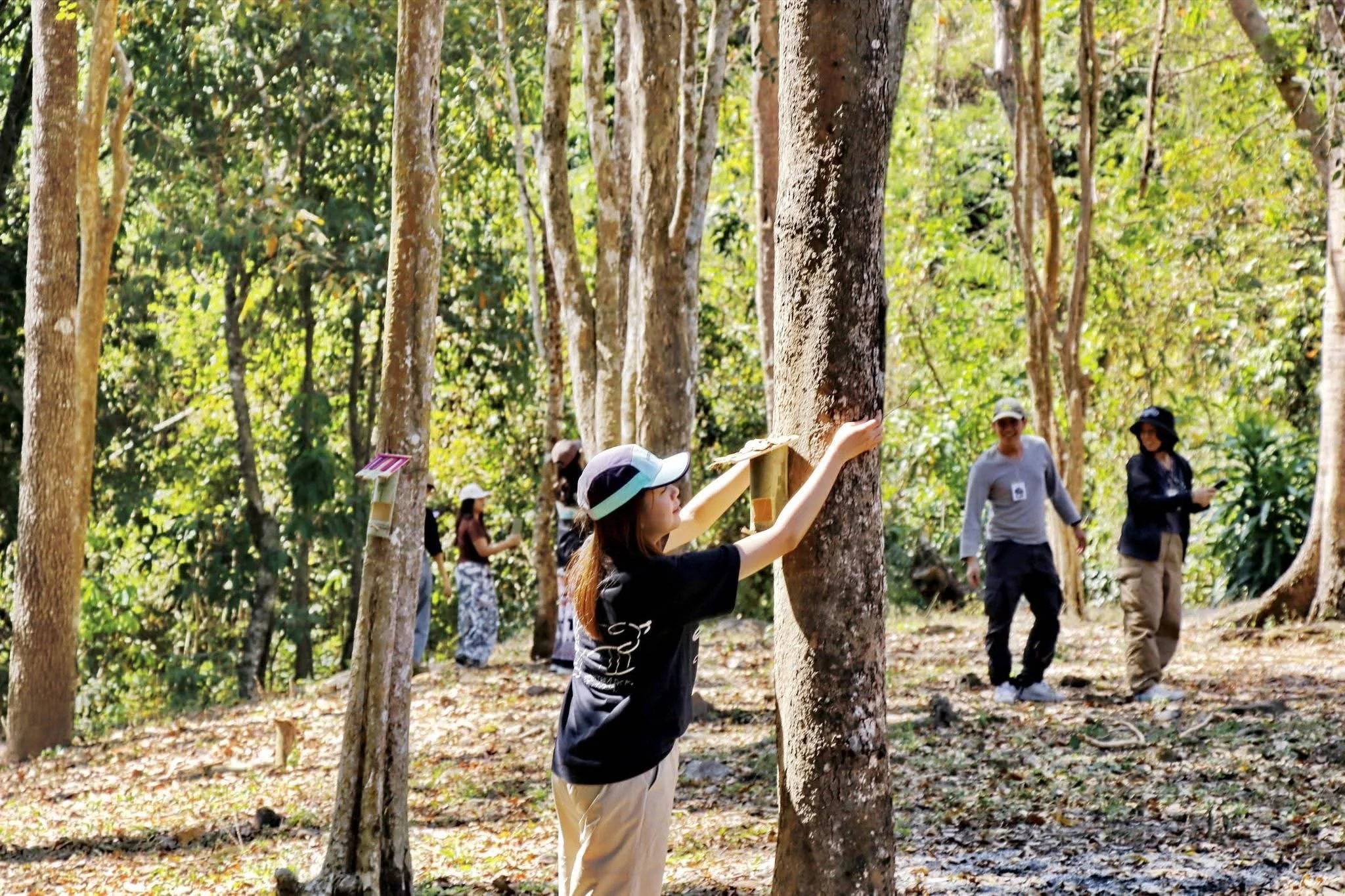
Our team volunteers with forest conservation groups to help restore natural ecosystems through seed-based reforestation and building bird shelters.
By planting native trees, we help rebuild forest cover and improve soil health, while bird houses provide safe nesting spaces for species that have lost their natural habitats.
These small actions support long-term forest recovery and help bring wildlife back into balance.
(Kaeng Krachan National Park, Phetchaburi)
-
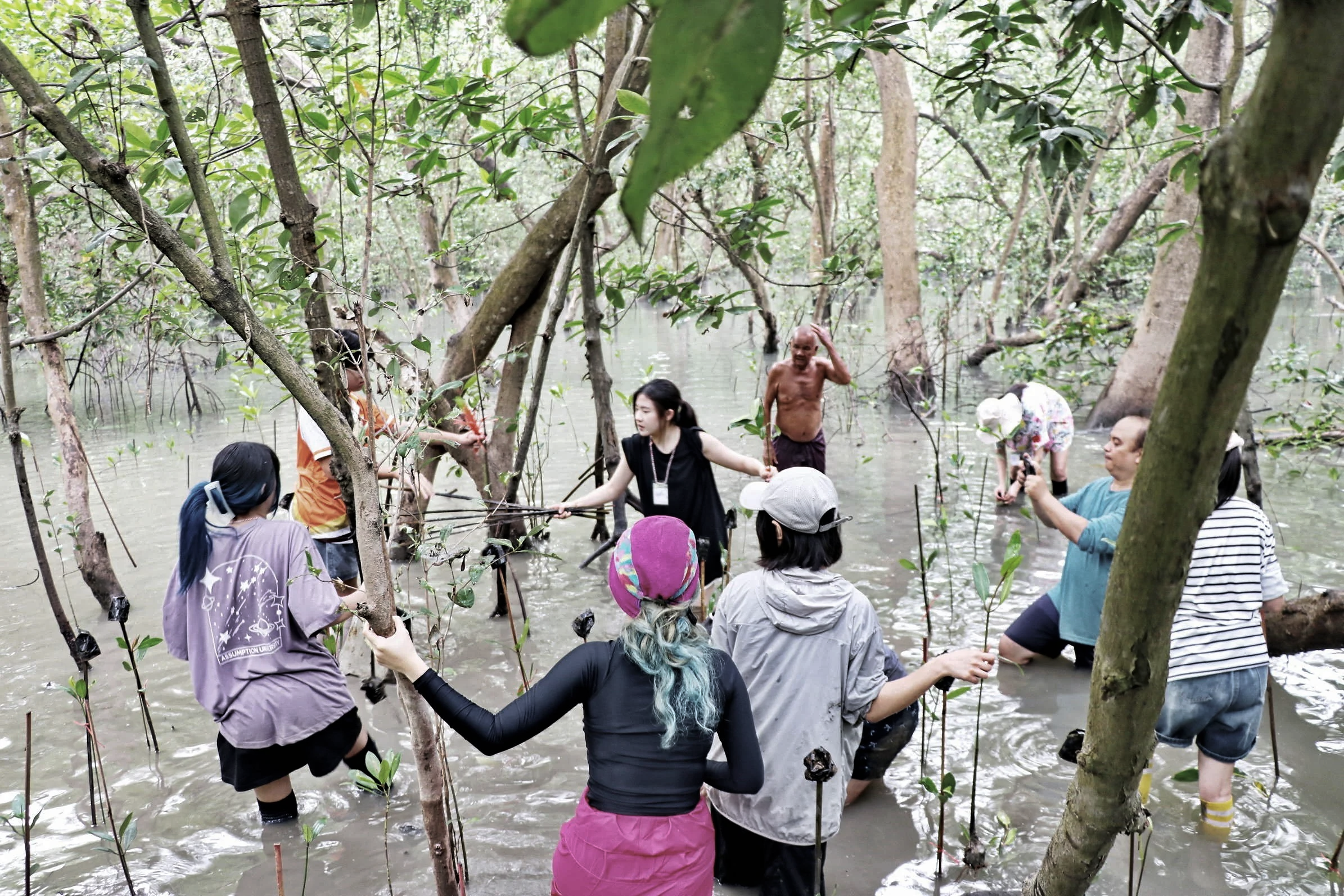
Our mangrove volunteering involves hands-on planting in muddy coastal areas to help restore mangrove forests. Mangroves play a vital role in protecting coastlines, supporting marine life, and absorbing carbon.
By planting and nurturing young mangroves, we help strengthen these natural barriers and support healthy coastal ecosystems for future generations.
(Samut Songkhram Estuary)
-
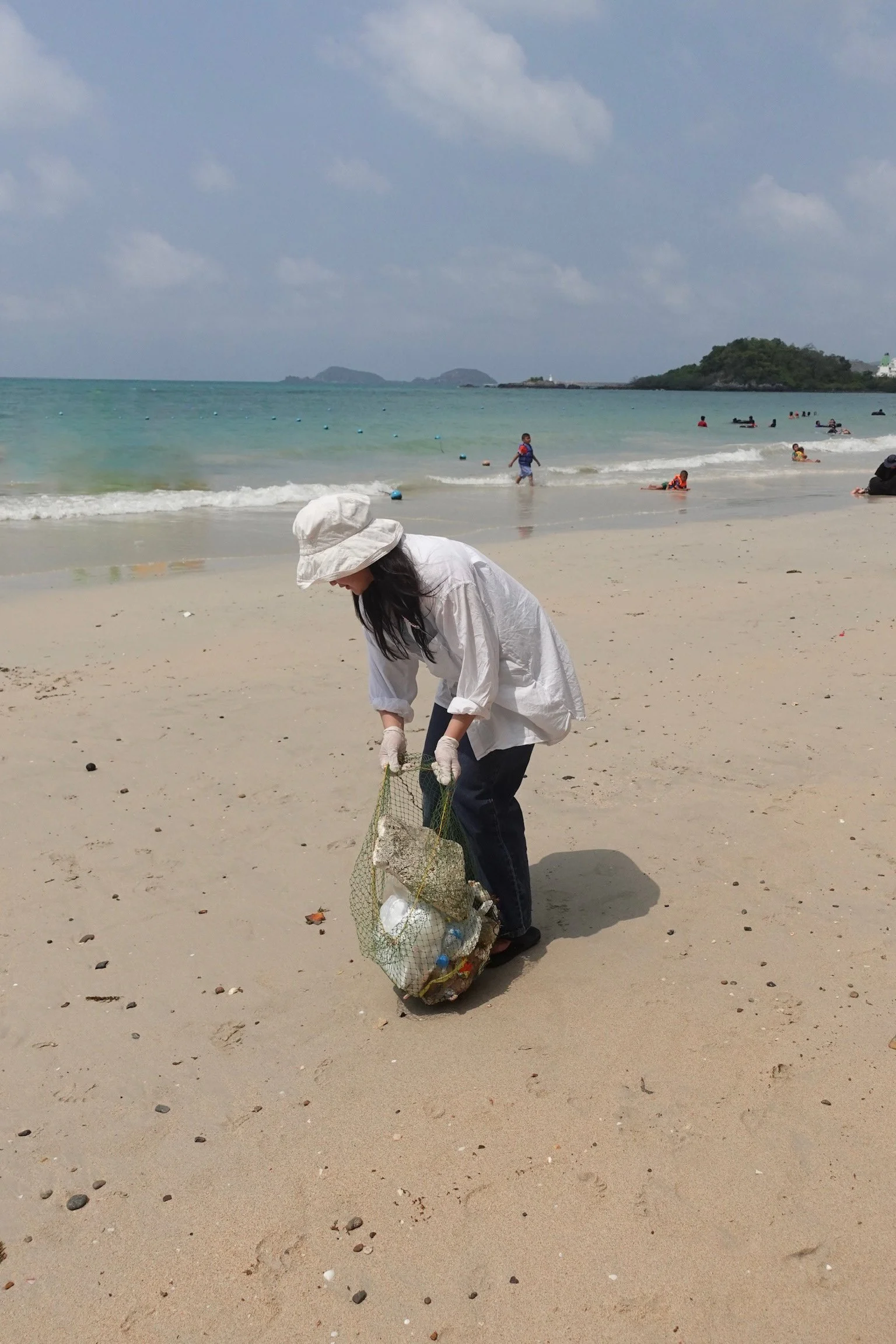
We work alongside local conservation teams to protect coastal ecosystems by cleaning sea turtle nesting areas and organising beach clean-ups. Removing plastic and debris helps protect marine life and keeps nesting grounds safe for turtles and other coastal species.
These efforts also raise awareness about the importance of caring for our oceans and shorelines.
(Sattahip, Chonburi)